

When is a Kidney Transplant the Best Option for Kidney Failure?
Kidney failure is a serious health condition that affects thousands of people across Mumbai and India. When your kidneys stop working properly, your body struggles to remove waste and excess fluids, leading to various health complications. While dialysis offers one solution, many patients and doctors consider a kidney transplant as a more permanent answer to end-stage kidney disease.
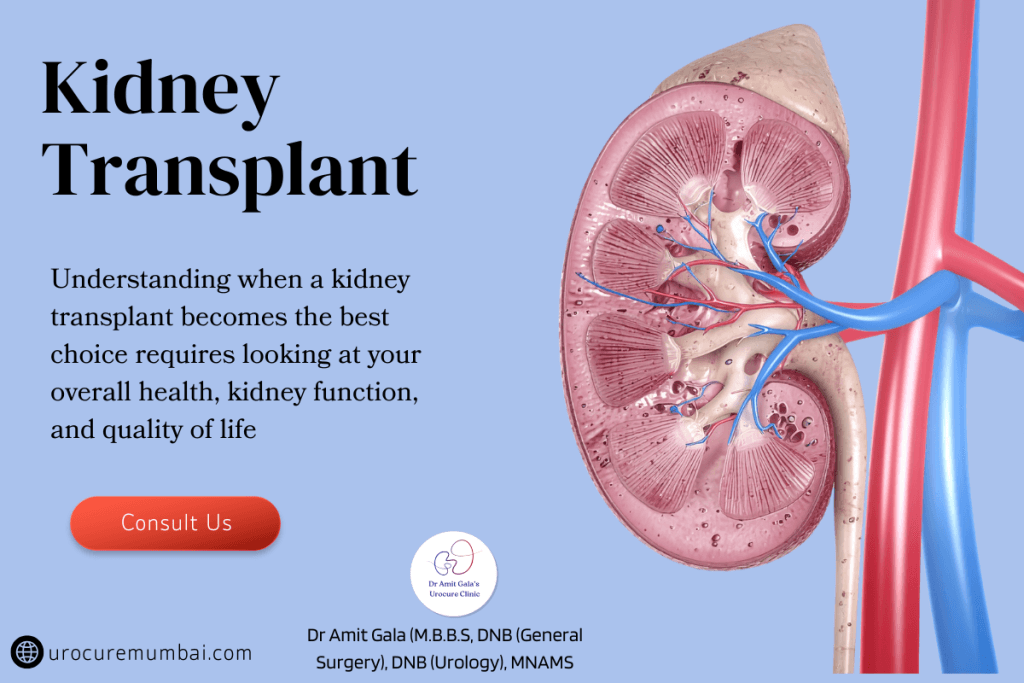
Understanding when a kidney transplant becomes the best choice requires looking at your overall health, kidney function, and quality of life, as explained by Kidney Transplant specialist in Mumbai – Dr Amit Gala. This decision involves careful consideration of multiple factors, and we want to help you understand when a transplant might be the right path forward.
Consult us for Urology Concerns
Need help? Book Appointment
+91 9920 84 1111
Understanding Kidney Failure
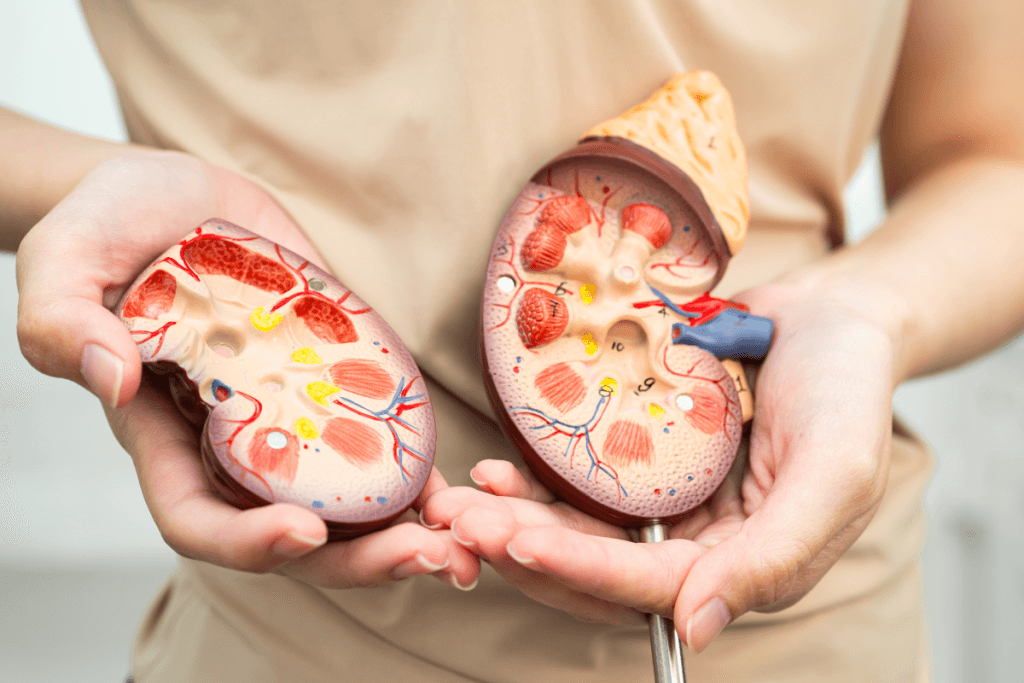
Your kidneys perform vital functions every day. They filter waste from your blood, balance body fluids, and produce hormones that control blood pressure. When kidneys fail, these functions deteriorate, causing toxins to build up in your body.
Kidney failure doesn’t happen overnight. Most cases develop gradually through chronic kidney disease, which progresses through five stages. By the time patients reach stage 5, also called end-stage renal disease (ESRD), kidney function drops below 15% of normal capacity. At this point, patients need either dialysis or transplant to survive.
When does transplant become an option?
Several situations make a kidney transplant the preferred treatment choice:
Advanced Kidney Disease: When your kidney function falls below 20% and continues declining, doctors start evaluating transplant eligibility. Patients don’t need to wait until they’re on dialysis to begin the transplant evaluation process. Early planning often leads to better outcomes.
Dialysis Quality of Life Issues: Many patients find dialysis sessions exhausting and time-consuming. Hemodialysis typically requires three sessions weekly, each lasting four hours. This schedule affects work, travel, and daily activities. When dialysis significantly impacts your lifestyle and well-being, a transplant becomes an attractive alternative.
Better Long-term Outcomes: Research shows that kidney transplant patients generally enjoy better health and longer survival compared to those remaining on long-term dialysis. A functioning transplanted kidney works continuously, unlike dialysis which provides intermittent treatment. This continuous kidney function helps maintain better overall health.
Younger, Active Patients: Age alone doesn’t disqualify anyone from transplant consideration, but younger patients with longer life expectancy often benefit most from transplantation. Active individuals who want to maintain their lifestyle find transplant helps them return to normal activities more easily than dialysis allows.
Medical Conditions That Make Transplant Necessary
Certain kidney conditions respond particularly well to transplant:
Diabetes-related kidney damage affects many patients in Mumbai. When diabetes causes kidney failure, transplant offers a chance to break free from both dialysis and some diabetes complications. Some patients even receive combined kidney-pancreas transplants.
Polycystic kidney disease, a genetic condition causing cysts in kidneys, eventually leads to kidney failure. Since this condition affects kidney structure rather than just function, transplant provides the most effective solution.
Glomerulonephritis, an inflammation of kidney filtering units, sometimes progresses despite treatment. When medications cannot control the disease, transplant becomes necessary.
Who is a good Transplant candidate?
Not everyone with kidney failure qualifies for a transplant. Doctors evaluate several factors:
Overall Health Status: Transplant surgery requires good cardiovascular health. Patients undergo extensive heart testing because the surgery and post-transplant medications stress the cardiovascular system. Uncontrolled heart disease might delay or prevent a transplant.
Absence of Active Infections: Active infections must be treated before transplant. The immune-suppressing medications patients take after transplant could worsen existing infections.
Cancer-Free Status: Patients need to be cancer-free for a specific period (usually 2-5 years, depending on cancer type) before transplant consideration. This waiting period reduces the risk of cancer recurrence after transplant.
Psychological Readiness: Transplant success requires commitment to lifelong medication and follow-up care. Patients must demonstrate understanding and willingness to follow complex medical regimens.
Comparing Transplant with Dialysis
Understanding the differences helps patients make informed decisions:
Freedom and Flexibility: Dialysis ties patients to strict schedules and treatment centers. Transplant patients enjoy more freedom to travel, work, and live without being connected to machines several times weekly.
Physical Energy: Dialysis patients often feel tired and weak, especially after treatment sessions. Transplant patients typically report higher energy levels and better ability to perform daily activities.
Dietary Restrictions: Dialysis requires strict dietary limitations regarding potassium, phosphorus, and fluid intake. Transplant patients usually follow more relaxed dietary guidelines, though they still need to maintain healthy eating habits.
Long-term Health: Studies consistently show transplant patients live longer and healthier lives compared to those remaining on dialysis long-term. The continuously functioning kidney provides better waste removal and hormone balance.
The Evaluation Process in Mumbai
Getting approved for transplant involves a comprehensive evaluation:
Medical teams assess your heart, lungs, liver, and overall health through various tests. Blood tests determine your blood type and tissue-matching characteristics. Imaging studies evaluate blood vessels and identify any hidden health issues.
Psychological evaluation ensures you understand the commitment required. Social workers assess your support system because successful transplant recovery needs family or friend assistance.
Financial counselling helps patients understand costs and insurance coverage. Many government schemes and insurance plans now cover transplant expenses, making this option more accessible to Mumbai residents.
Living Donor vs. Deceased Donor Transplant
Two transplant sources exist:
Living Donor Transplant: A healthy person donates one kidney. Living donor transplants often work better and last longer than deceased donor organs. Donors can be family members or even altruistic strangers. The advantage includes better planning and shorter waiting times.
Deceased Donor Transplant: Organs come from brain-dead donors whose families consent to donation. Waiting times vary significantly, sometimes taking years. However, this option helps when no living donor is available.
Life After Kidney Transplant
Understanding post-transplant life helps set realistic expectations:
Medication Commitment: Patients take immunosuppressive medications daily for life. These drugs prevent the body from rejecting the new kidney. Missing doses can lead to rejection, so strict medication adherence is crucial.
Regular Monitoring: Frequent clinic visits in the first year gradually decrease to quarterly or biannual check-ups. Blood tests monitor kidney function and medication levels. This ongoing care helps catch problems early.
Lifestyle Adjustments: Most transplant patients return to normal activities within a few months. They can work, exercise, and travel. However, they need to maintain healthy habits, avoid infections, and attend all medical appointments.
Making Your Decision
Deciding whether kidney transplant is right for you involves multiple considerations:
Discuss your options thoroughly with your nephrologist. Consider your age, overall health, lifestyle goals, and support system. Think about your ability to commit to lifelong medical care and medication.
Many patients in Mumbai successfully receive transplants and enjoy improved quality of life. However, individual circumstances vary, and what works for one person might not suit another.
Consult Dr Amit Gala for Kidney Diseases
Book a Consultation
If you’re dealing with advancing kidney disease, don’t wait to explore your options. Early evaluation for transplant allows better planning and potentially shorter waiting times. Consult with an experienced kidney specialist, Urosurgeon, who can guide you through the evaluation process and help determine ifa transplant is your best path forward.
Remember, a kidney transplant isn’t just about survival—it’s about improving your quality of life, maintaining independence, and returning to activities you enjoy. With proper care and commitment, many transplant patients live full, active lives for decades after their surgery.